
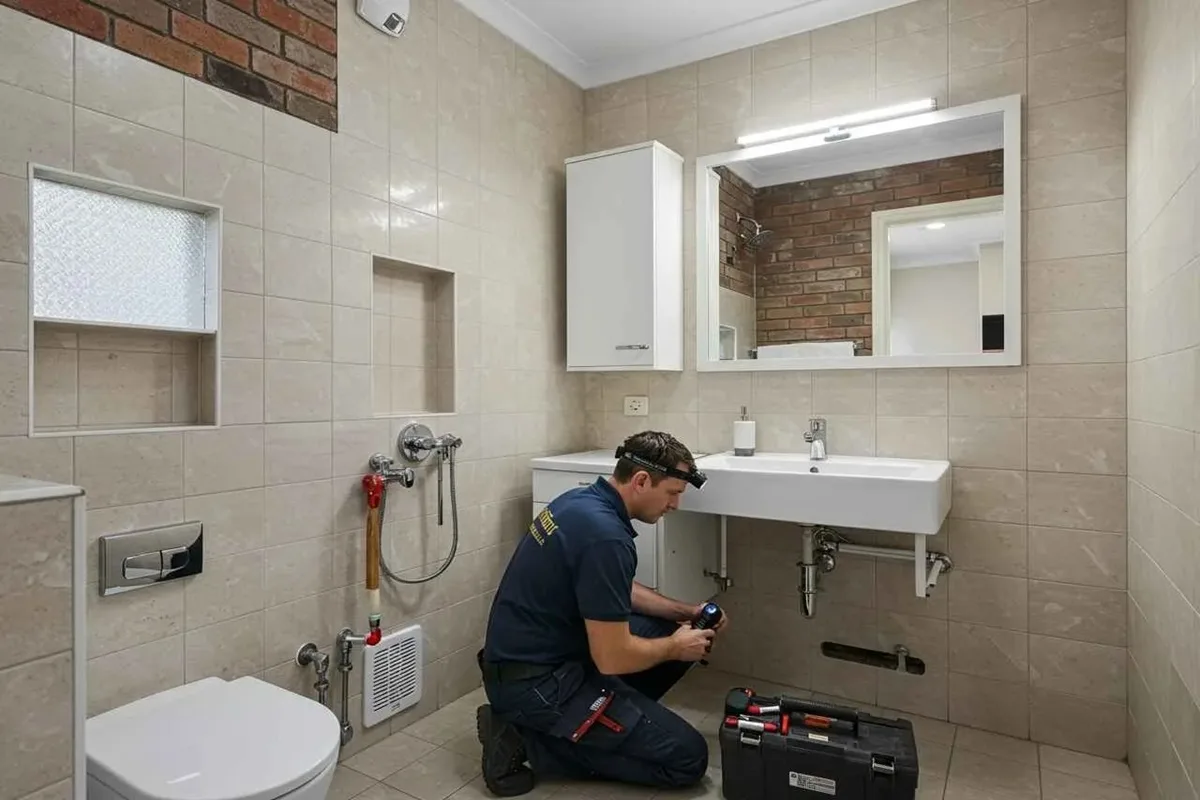
Bathroom renovations are among the most valuable home improvement projects, enhancing comfort, functionality, and property value. While homeowners often focus on stylish tiles, modern vanities, elegant lighting, and luxurious fixtures, the plumbing system behind the walls is the true backbone of a successful renovation.
Whether you’re updating a small guest bathroom or completely remodeling a master ensuite, investing in quality plumbing ensures your new bathroom performs efficiently for years to come. Ignoring aging pipes or outdated plumbing during renovations can result in expensive repairs, water damage, mold growth, and poor fixture performance after the project is complete.
This comprehensive guide explains everything homeowners should know about bathroom plumbing renovations—from planning and fixture selection to common mistakes, water-saving upgrades, and maintenance tips.
Why Plumbing Matters During a Bathroom Renovation
The plumbing system is responsible for delivering clean water and removing wastewater safely from your home. Even the most beautifully designed bathroom will quickly become frustrating if the plumbing isn’t installed correctly.
A complete bathroom plumbing system typically includes:
- Water supply pipes
- Drain and waste pipes
- Vent pipes
- Toilet plumbing
- Shower plumbing
- Bathtub plumbing
- Sink plumbing
- Shut-off valves
- Faucets and mixers
- Water pressure regulators
Every component works together to ensure reliable water flow, proper drainage, and long-term performance.
Replacing outdated plumbing while the walls are open is significantly easier and less expensive than repairing hidden issues after the renovation is finished.
Benefits of Upgrading Bathroom Plumbing
Many homeowners only replace visible fixtures, but updating the plumbing provides several long-term advantages.
Benefits include:
- Improved water pressure
- Better drainage performance
- Reduced risk of leaks
- Increased home value
- Greater water efficiency
- Lower maintenance costs
- Improved reliability
- Compliance with current plumbing codes
Modern plumbing materials are more durable and resistant to corrosion, making them an excellent investment during renovations.
Signs Your Bathroom Plumbing Needs Replacement
Not every renovation requires replacing every pipe, but certain warning signs indicate it’s time for an upgrade.
Consider replacing your plumbing if:
- Your home is more than 20–30 years old
- You experience recurring leaks
- Water pressure is inconsistent
- Drains frequently clog or empty slowly
- Pipes show corrosion or rust
- Water appears discolored
- Fixtures are being relocated
- You hear unusual noises in the pipes
- Previous plumbing repairs have been frequent
Renovation offers the perfect opportunity to address these hidden problems before they become costly emergencies.
Planning Your Bathroom Plumbing Renovation
Successful renovations begin with careful planning.
Before demolition starts, consider how your family uses the bathroom daily.
Ask yourself:
- Do you need a larger shower?
- Should you replace the bathtub?
- Would a double vanity improve functionality?
- Is additional storage needed?
- Are your plumbing fixtures outdated?
- Should plumbing be relocated?
- Is accessibility important for future needs?
Planning ahead helps reduce delays, unexpected costs, and design changes during construction.
Understanding the Bathroom Plumbing Renovation Process
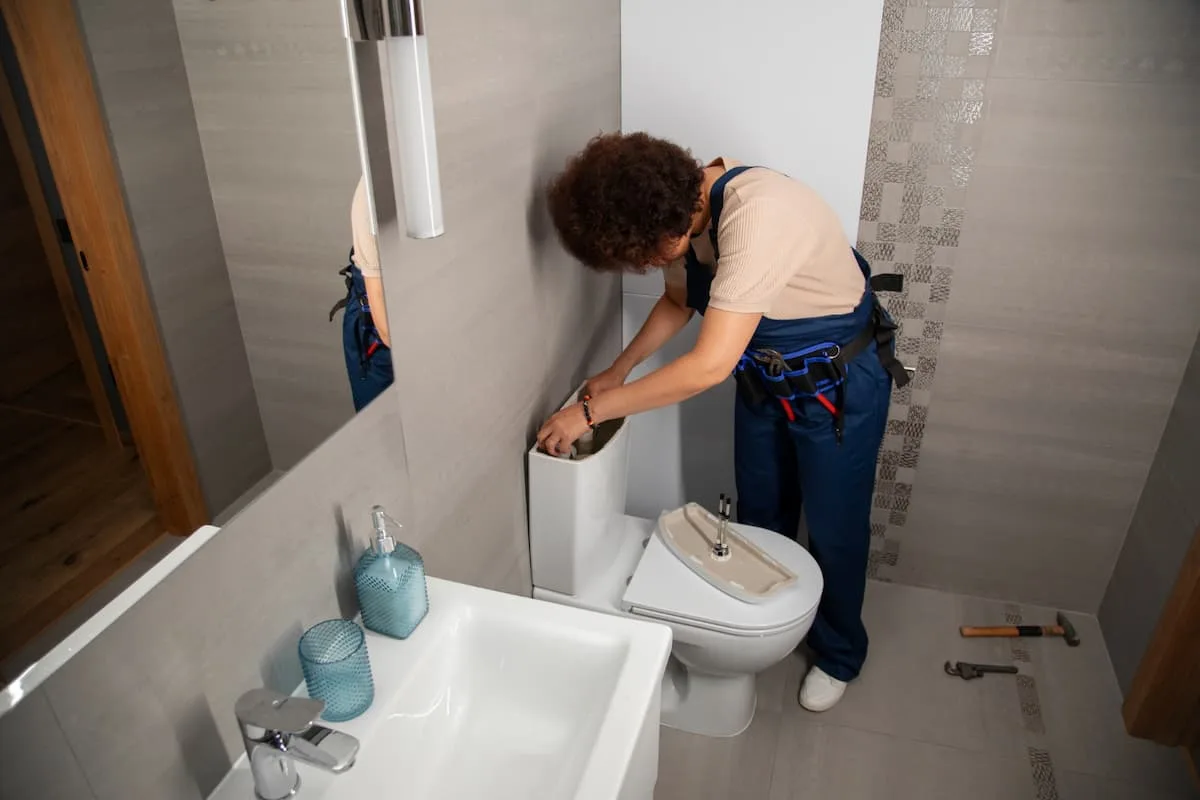
Knowing each phase of the renovation helps homeowners understand what to expect.
1. Initial Inspection
A professional plumber evaluates:
- Existing pipes
- Water supply lines
- Drainage system
- Vent pipes
- Shut-off valves
- Water pressure
- Existing fixtures
The inspection determines whether plumbing can remain or should be replaced.
2. Demolition
Old fixtures, cabinets, flooring, drywall, and wall coverings are removed.
This stage exposes hidden plumbing and often reveals:
- Water damage
- Mold
- Corroded pipes
- Improper installations
- Structural issues
Identifying these problems early prevents future repairs.
3. Rough Plumbing
This is where new plumbing is installed.
Work typically includes:
- New water lines
- Drain pipes
- Shower valves
- Bathtub plumbing
- Toilet flange installation
- Sink drain connections
- Vent modifications
If fixtures are moving, new plumbing routes are installed during this phase.
Pressure testing ensures there are no leaks before walls are closed.
4. Inspections
Depending on local building regulations, plumbing inspections verify that all work meets code requirements before drywall installation.
Professional inspections protect homeowners from future plumbing issues.
5. Fixture Installation
After walls, flooring, and tile are completed, contractors install:
- Toilets
- Sinks
- Vanities
- Faucets
- Showers
- Bathtubs
- Accessories
Everything is tested to ensure proper operation.
Choosing the Right Bathroom Fixtures
Selecting quality fixtures improves both appearance and performance.
Popular modern options include:
- Water-saving toilets
- Rainfall showerheads
- Freestanding bathtubs
- Floating vanities
- Vessel sinks
- Touchless faucets
- Thermostatic shower systems
- Wall-mounted toilets
While style is important, prioritize quality materials and trusted manufacturers for long-lasting performance.
Should You Move Plumbing Fixtures?
Keeping fixtures in their existing locations is generally the most cost-effective option because supply and drain lines remain unchanged.
However, relocating plumbing can greatly improve functionality.
Common layout changes include:
- Replacing tubs with walk-in showers
- Installing double sinks
- Moving toilets
- Expanding shower areas
- Creating more storage space
Although moving plumbing increases labour costs, it can significantly enhance your bathroom’s usability and comfort.
Common Plumbing Problems Found During Renovations
Many hidden issues only become visible once walls are opened.
Frequent discoveries include:
- Corroded galvanized pipes
- Leaking joints
- Mold behind drywall
- Rotting wood
- Improper drain slopes
- Blocked vent pipes
- Outdated shut-off valves
- Water damage
- Poor previous workmanship
Fixing these issues during renovation is much less expensive than repairing finished bathrooms later.
Water-Efficient Plumbing Upgrades
Today’s plumbing fixtures are designed to conserve water without sacrificing performance.
Popular upgrades include:
- Low-flow toilets
- Water-efficient showerheads
- Aerated faucets
- Smart leak detectors
- Motion-sensor faucets
- Dual-flush toilets
Benefits include:
- Lower utility bills
- Reduced environmental impact
- Improved efficiency
- Compliance with water conservation standards
Water-saving fixtures are especially valuable for growing families.
Bathroom Ventilation Matters Too
Good plumbing works best alongside proper ventilation.
Bathrooms naturally produce moisture, and without adequate airflow, excess humidity can lead to:
- Mold growth
- Peeling paint
- Damaged drywall
- Warped cabinetry
- Wood rot
- Poor indoor air quality
Installing a modern exhaust fan during renovation protects both plumbing fixtures and building materials while improving comfort.
Should You Replace All the Plumbing?
Many homeowners ask whether replacing every pipe is necessary.
The answer depends on:
- Age of the home
- Pipe material
- Existing condition
- Renovation scope
- Previous plumbing problems
If pipes are in excellent condition, partial replacement may be sufficient.
However, if your home has older galvanized steel or deteriorating plumbing, replacing everything while walls are open often provides the best long-term value.
Common Bathroom Plumbing Renovation Mistakes
Avoiding these mistakes can save thousands of dollars.
Choosing Style Over Function
Beautiful fixtures are important, but plumbing performance should always come first.
Reusing Old Plumbing
Old shut-off valves, supply lines, and worn fittings can fail shortly after renovation.
Buying Cheap Fixtures
Low-cost products often have shorter lifespans and lower reliability.
Ignoring Water Damage
Covering mold or damaged framing without repairs leads to bigger problems later.
Poor Planning
Changing layouts during construction creates delays and increases costs.
Hiring Based Only on Price
Choosing the cheapest contractor may result in poor workmanship and expensive repairs.
Experience and quality matter.
How Much Does Bathroom Plumbing Renovation Cost?
Costs vary depending on project complexity.
Major factors include:
- Bathroom size
- Plumbing relocation
- Fixture quality
- Pipe replacement
- Building permits
- Labour costs
- Structural changes
- Water damage repairs
Simple fixture replacements cost considerably less than complete plumbing redesigns.
Obtaining multiple professional estimates helps homeowners budget accurately.
DIY or Hire a Professional?
Some homeowners replace faucets or showerheads themselves.
However, larger plumbing renovations require professional expertise.
Professional plumbers ensure:
- Proper pipe sizing
- Correct drainage slopes
- Leak-free installations
- Code compliance
- Safe water connections
- Reliable long-term performance
Professional installation also protects manufacturer warranties.
Smart Bathroom Technology
Modern renovations increasingly include smart technology.
Popular features include:
- Smart toilets
- Digital shower controls
- Leak detection systems
- Motion-sensor faucets
- Heated toilet seats
- Voice-controlled lighting
- Temperature-controlled showers
These innovations improve convenience while increasing home value.
Best Plumbing Materials for Modern Bathrooms

Today’s plumbers commonly recommend:
PEX Pipes
- Flexible
- Affordable
- Freeze-resistant
- Easy installation
Copper Pipes
- Extremely durable
- Long lifespan
- Excellent reliability
PVC Drain Pipes
- Lightweight
- Corrosion resistant
- Cost-effective
Selecting the appropriate material depends on your home’s plumbing system and renovation goals.
Maintenance Tips After Renovation
Protect your investment by maintaining your plumbing.
Helpful tips include:
- Check for leaks regularly.
- Clean drains routinely.
- Avoid harsh chemical drain cleaners.
- Inspect caulking around fixtures.
- Test shut-off valves annually.
- Replace worn seals promptly.
- Watch for changes in water pressure.
- Schedule periodic plumbing inspections.
Routine maintenance extends the life of your renovated bathroom.
How Long Does a Bathroom Plumbing Renovation Take?
Project timelines vary depending on size and complexity.
Typical estimates are:
- Minor plumbing updates: 2–5 days
- Standard bathroom renovation: 2–4 weeks
- Full remodel with plumbing relocation: 4–8 weeks
Unexpected issues such as hidden water damage or outdated plumbing may extend the schedule.
Choosing the Right Plumbing Contractor
Selecting an experienced contractor is one of the most important decisions in your renovation.
Look for professionals who:
- Are licensed and insured
- Have positive customer reviews
- Provide written estimates
- Offer workmanship warranties
- Communicate clearly
- Have experience with bathroom renovations
- Follow local plumbing codes
Hiring a qualified contractor helps ensure quality workmanship and peace of mind.
Conclusion
A bathroom renovation is much more than a cosmetic upgrade. Behind every beautiful sink, shower, bathtub, and toilet is a plumbing system that keeps your bathroom operating safely and efficiently. Investing in updated plumbing during your renovation helps prevent future leaks, improves water efficiency, enhances daily comfort, and increases the long-term value of your home.
By planning carefully, choosing durable fixtures, upgrading aging pipes when necessary, and working with experienced plumbing professionals, you can create a bathroom that combines modern style with dependable performance. Whether you’re making small improvements or undertaking a complete remodel, quality plumbing is the foundation of a bathroom built to last for many years.
FAQs
How long does a bathroom plumbing renovation take?
Most bathroom plumbing renovations take between 2 and 6 weeks, depending on the project’s size, plumbing modifications, inspections, and finishing work.
Is it necessary to replace old plumbing during a bathroom remodel?
If your plumbing is outdated, corroded, or has a history of leaks, replacing it during the renovation is often the most cost-effective long-term solution.
Can I move my toilet or shower to a new location?
Yes. Plumbing fixtures can be relocated, but doing so requires modifications to water supply and drain lines, which increases labour and project costs.
What are the best water-saving upgrades for a bathroom?
Low-flow toilets, high-efficiency showerheads, aerated faucets, and dual-flush systems are excellent choices for reducing water consumption while maintaining performance.
Why should I hire a professional plumber instead of doing it myself?
Professional plumbers ensure the plumbing system is installed safely, complies with local building codes, prevents leaks, and provides reliable performance for years to come.