
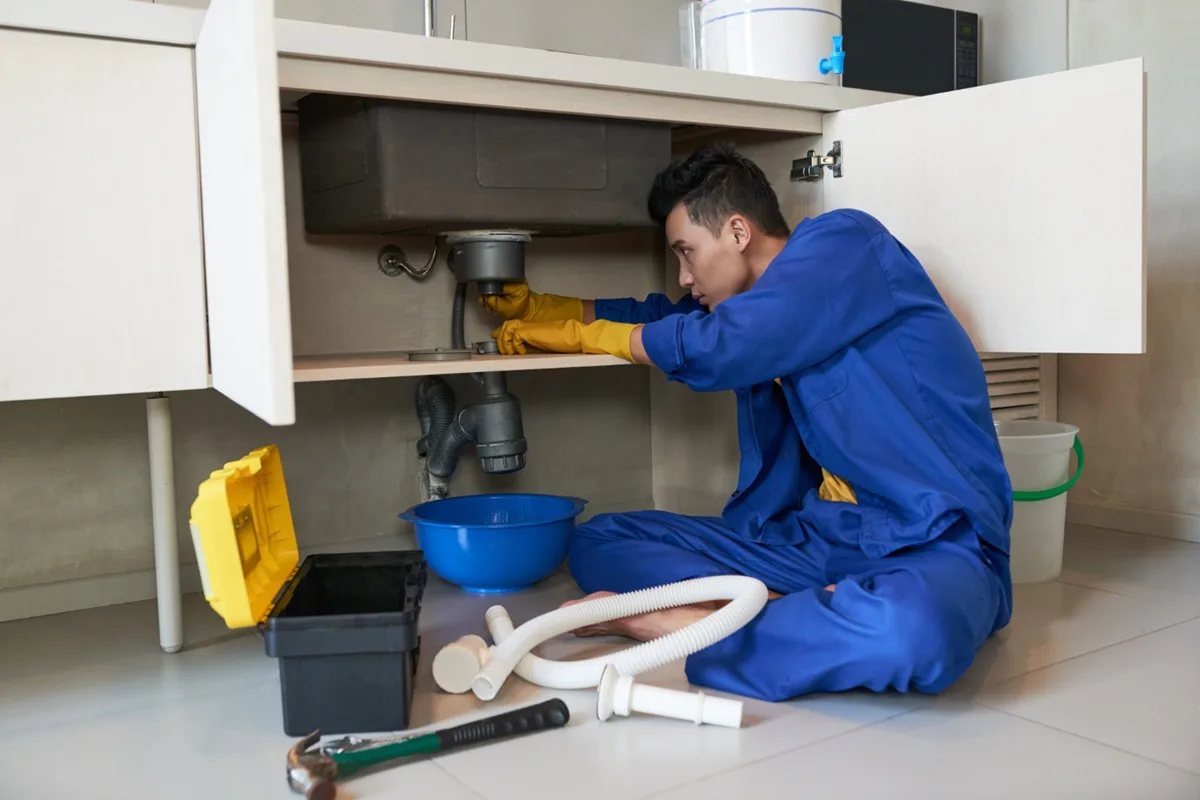
Your home’s plumbing system is essential for providing clean water and safely removing wastewater, yet it often goes unnoticed because most pipes are hidden behind walls, under floors, and beneath your property’s foundation. Along with water supply lines, components such as drain tiles help direct excess groundwater away from your home, protecting your foundation from moisture damage. Over the years, constant water flow, corrosion, mineral buildup, and normal wear can weaken these systems, resulting in leaks, reduced water pressure, clogged drains, and expensive repairs.
Recognizing the early signs of aging plumbing can help you avoid major problems before they become costly emergencies. While a single leak may only require a simple repair, recurring plumbing issues often indicate that your pipes are nearing the end of their lifespan. Investing in professional plumbing services allows experienced technicians to inspect your entire system, identify hidden issues, and recommend the most effective solution. Whether replacing old pipes, repairing damaged lines, or maintaining drain tiles, timely service can improve water quality, protect your home’s foundation, increase property value, and reduce long-term maintenance expenses.
Why Replacing Old Plumbing Pipes Is Important
Old plumbing pipes don’t simply stop working overnight. Instead, they gradually deteriorate over many years. As pipes age, corrosion can form inside metal pipes, mineral deposits can reduce water flow, and tiny cracks may develop that eventually become major leaks.
Ignoring these warning signs can result in serious damage to walls, ceilings, flooring, insulation, and even your home’s foundation. Water leaks also create the perfect environment for mold and mildew, which can affect indoor air quality and require expensive remediation.
Replacing old plumbing pipes offers several long-term benefits, including:
- Improved water quality
- Better water pressure
- Fewer plumbing repairs
- Lower risk of leaks and burst pipes
- Increased property value
- Greater peace of mind
Although repiping requires an upfront investment, it is often much more affordable than repairing extensive water damage caused by failing pipes.
How Long Do Plumbing Pipes Last?
The lifespan of your plumbing system depends largely on the type of material used during installation.
Copper Pipes: Copper remains one of the most durable plumbing materials available. Under normal conditions, copper pipes typically last between 50 and 70 years. However, acidic water can shorten their lifespan.
Galvanized Steel Pipes: Common in older homes, galvanized steel pipes usually last around 40 to 50 years. As they age, internal rust buildup can restrict water flow and reduce water quality.
PVC Pipes: PVC pipes are mainly used for drain and waste systems. They resist corrosion and can last over 50 years when properly installed.
CPVC Pipes: CPVC is widely used for hot and cold water supply lines and generally lasts between 50 and 75 years.
PEX Pipes: PEX has become a popular modern plumbing material because it is flexible, corrosion-resistant, and easy to install. With proper installation, it can last 40 to 50 years or longer.
Knowing the age and material of your plumbing system can help determine whether replacement should be considered.
Common Signs Your Plumbing Pipes Need Replacement
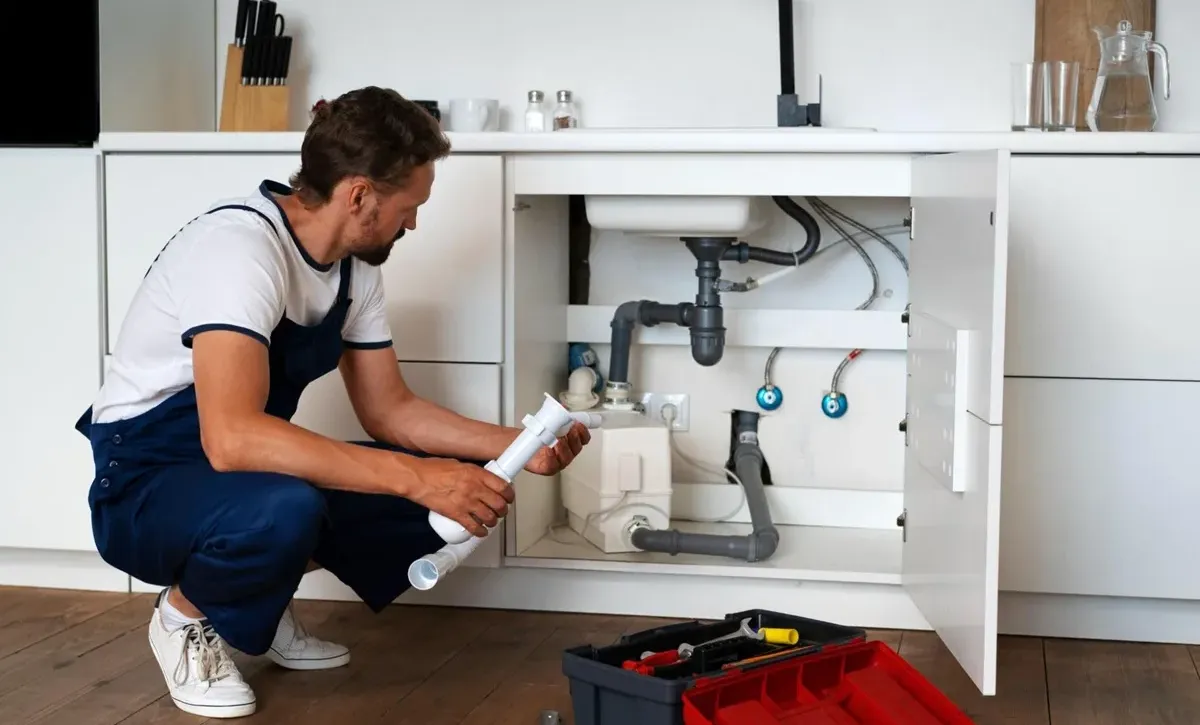
1. Frequent Water Leaks
A single leaking pipe doesn’t necessarily mean your entire plumbing system needs replacing. However, if you’re constantly repairing leaks in different areas of your home, the problem may be widespread pipe deterioration rather than isolated damage.
Repeated leaks often indicate that the plumbing system has reached the end of its useful life.
2. Rusty or Discolored Water
If your tap water appears brown, yellow, or reddish, corrosion inside aging metal pipes may be contaminating your water supply.
Rust-colored water not only affects appearance but can also stain sinks, tubs, clothing, and fixtures. Persistent discoloration should always be inspected by a licensed plumber.
3. Low Water Pressure
Weak water pressure throughout your home often points to internal corrosion or mineral buildup restricting water flow inside older pipes.
While clogged fixtures can also reduce pressure, consistently low pressure across multiple faucets usually indicates aging plumbing.
4. Visible Pipe Corrosion
Inspect exposed pipes in your basement, utility room, or crawl space. Signs of deterioration include:
- Rust spots
- Green stains
- White mineral deposits
- Flaking metal
- Small pinhole leaks
Visible corrosion usually means the inside of the pipe is deteriorating as well.
5. Water Stains on Walls or Ceilings
Brown stains, peeling paint, bubbling drywall, or damp spots often indicate hidden pipe leaks.
Even a slow leak can eventually damage insulation, flooring, framing, and drywall while encouraging mold growth.
6. Rising Water Bills
An unexplained increase in your monthly water bill may signal hidden leaks somewhere in your plumbing system.
Small leaks can waste thousands of gallons of water annually, increasing both utility costs and repair expenses.
7. Strange Plumbing Noises
Banging, rattling, vibrating, or whistling pipes should never be ignored.
These sounds may result from loose pipes, pressure problems, or internal damage that could eventually require replacement.
Older Homes Need Extra Attention
Homes built several decades ago are more likely to contain outdated plumbing materials that no longer perform efficiently.
Many older homes still have galvanized steel, cast iron, polybutylene, or aging copper pipes that become increasingly vulnerable to corrosion and leaks over time.
If your home still has its original plumbing system, scheduling a professional inspection is a smart way to evaluate its condition before major problems occur.
Repair or Replace?
Many homeowners wonder whether they should repair damaged pipes or invest in a complete replacement.
Repairs are usually appropriate when:
- Only one section is damaged.
- The plumbing system is relatively new.
- Leaks are isolated.
- There is little or no corrosion.
Replacement is often the better choice when:
- Leaks occur repeatedly.
- Pipes have exceeded their expected lifespan.
- Corrosion is widespread.
- Water quality continues to decline.
- Plumbing repair costs keep increasing.
Although replacing an entire plumbing system costs more initially, it often saves money by preventing recurring repairs and major water damage.
What Happens During Pipe Replacement?
Professional repiping typically follows several important steps.
First, a licensed plumber inspects the plumbing system to identify damaged areas and determine whether partial replacement or complete repiping is necessary.
Next, a replacement plan is created based on your home’s layout, plumbing design, and budget.
Old pipes are then carefully removed. Depending on your home’s construction, small sections of drywall or flooring may need to be opened to access hidden plumbing.
Modern replacement materials such as PEX, copper, or CPVC are installed to improve durability and water flow.
Finally, the entire plumbing system is pressure-tested to ensure every connection is leak-free before the project is completed.
Benefits of New Plumbing Pipes
Replacing aging pipes provides long-term advantages beyond simply stopping leaks.
New plumbing improves water quality by eliminating rust and corrosion from older metal pipes. Smooth interior surfaces allow water to flow more efficiently, resulting in stronger water pressure throughout the home.
Modern plumbing materials also require less maintenance, reducing repair costs over time. Updated plumbing is an attractive feature for prospective buyers and can increase your home’s resale value.
Most importantly, replacing old pipes significantly reduces the risk of burst pipes, hidden leaks, mold growth, and expensive structural damage.
Tips to Extend the Life of Your Plumbing
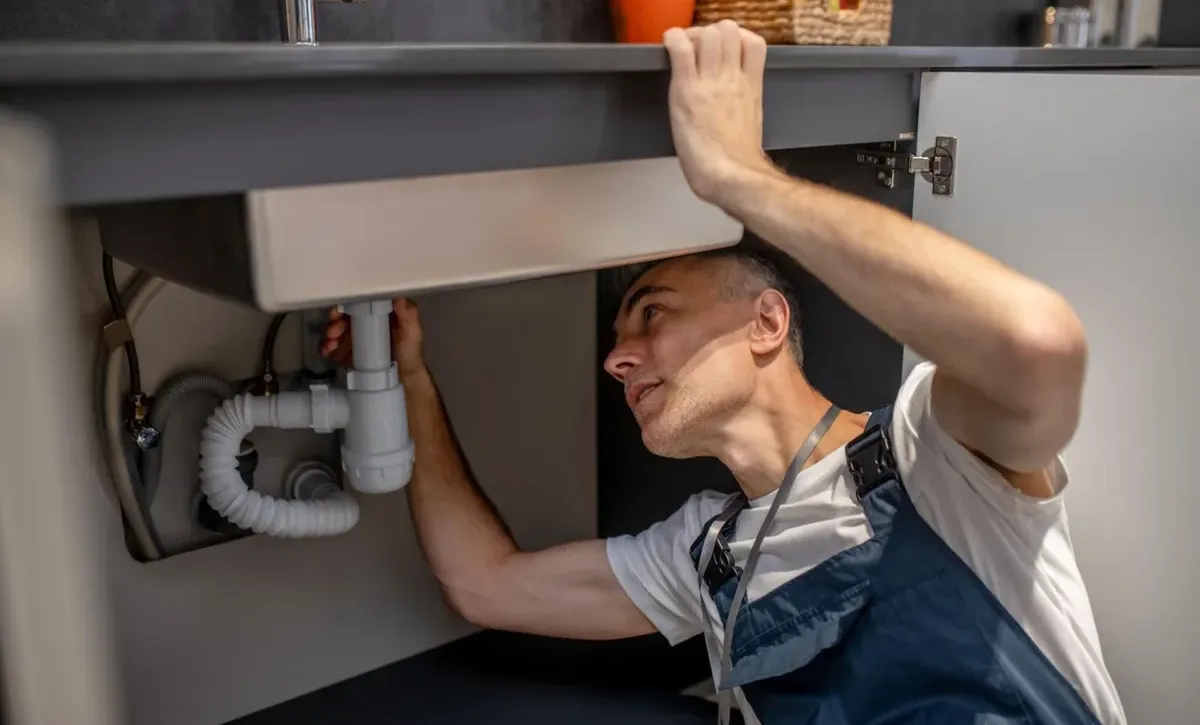
Once your plumbing system has been updated, regular maintenance can help maximize its lifespan.
- Schedule routine plumbing inspections.
- Repair small leaks immediately.
- Monitor household water pressure.
- Avoid pouring grease or harsh chemicals down drains.
- Insulate exposed pipes during winter.
- Flush your water heater regularly to remove sediment.
- Learn where your home’s main water shut-off valve is located.
- Address unusual plumbing noises promptly.
Preventive maintenance helps your plumbing system operate efficiently for decades while minimizing unexpected repairs.
Conclusion
Replacing old plumbing pipes is one of the smartest investments you can make for your home. Aging pipes eventually develop corrosion, leaks, and blockages that can lead to costly repairs and significant water damage if left untreated. Warning signs such as rusty water, recurring leaks, low water pressure, visible corrosion, and rising water bills should never be ignored.
By recognizing these symptoms early and scheduling a professional plumbing inspection, you can determine whether repairs are sufficient or if a complete repiping project is the better long-term solution. Upgrading to modern plumbing materials improves water quality, enhances efficiency, reduces maintenance costs, and provides lasting peace of mind. Investing in a reliable plumbing system today helps protect your home, your finances, and your family’s comfort for many years to come.
FAQs
How do I know if my plumbing pipes need to be replaced?
Signs that your pipes may need replacement include frequent leaks, rusty or discolored water, low water pressure, visible corrosion, unusual plumbing noises, and unexplained increases in your water bill. A professional inspection can confirm whether replacement is necessary.
How long do plumbing pipes usually last?
The lifespan depends on the material. Copper pipes generally last 50–70 years, galvanized steel around 40–50 years, PVC and CPVC more than 50 years, and PEX typically lasts 40–50 years or longer under normal conditions.
Is repairing old pipes better than replacing them?
Minor repairs are suitable for isolated issues on newer plumbing systems. However, if your home has recurring leaks, widespread corrosion, or aging pipes, replacing the plumbing is often the more cost-effective long-term solution.